
Introduction: Make Meal Prep Green and Simple
Meal prepping saves time, reduces stress, and keeps your weekly meals organized—but it can generate a surprising amount of waste. Single-use plastics, disposable containers, and inefficient kitchen tools contribute to unnecessary environmental impact.
The good news? By using eco-friendly kitchen supplies, you can prep meals efficiently while protecting the planet. This guide will take you through actionable steps to make your kitchen greener without sacrificing convenience, flavor, or fun.
Step 1: Choose Reusable Containers
One of the easiest ways to reduce kitchen waste is by swapping disposable containers for reusable options.
- Glass or stainless steel containers with airtight lids are ideal for meal prep. They’re non-toxic, durable, and long-lasting.
- Opt for stackable designs to maximize fridge space.
- Avoid cheap plastic containers that can warp, stain, or leach chemicals over time.
Pro Tip: Use glass containers for reheating meals directly in the oven or microwave, cutting down on disposable wraps.
Step 2: Invest in Reusable Storage Bags
Single-use plastic bags are a major source of kitchen waste. Replace them with:
- Silicone reusable bags: Great for snacks, marinating, and freezing leftovers.
- Cloth produce bags: Perfect for washing and storing fruits and veggies.
Why it works: These bags are washable, durable, and can replace hundreds of plastic bags each year. They also make packing lunches and portioning ingredients easier and more sustainable.
Step 3: Opt for Sustainable Cooking Tools
The tools you use every day can impact both your meals and the environment. Consider:
- Bamboo cutting boards: Renewable, naturally antibacterial, and gentle on knives.
- Wooden or silicone utensils: Long-lasting and safe for non-stick pans.
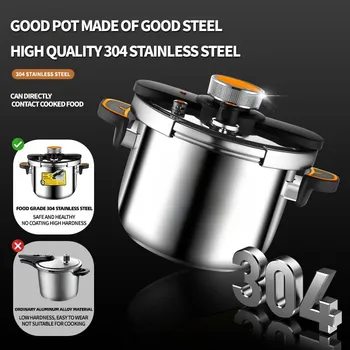
- Non-toxic cookware: Cast iron, ceramic-coated, or stainless steel pans last for decades without harmful chemicals.
Tip: Investing in durable, eco-friendly tools reduces replacement costs and keeps your kitchen greener over time.
Step 4: Plan for Leftovers Smartly
Reducing food waste is just as important as reducing packaging waste.
- Portion your meals into reusable containers immediately after cooking.
- Freeze extra servings to prevent spoilage.
- Use a small kitchen compost bin for vegetable scraps, coffee grounds, and eggshells.
Insight: Meal prepping with sustainability in mind encourages smarter grocery shopping, saving both money and food.
Step 5: Clean with Eco-Conscious Supplies
Sustainable meal prep doesn’t stop at cooking—it extends to cleaning.
- Use plant-based dish soap instead of chemical-heavy alternatives.
- Swap disposable sponges for biodegradable scrubbers or reusable cloths.
- Keep a microfiber towel handy for spills instead of paper towels.
Extra Tip: Washing containers and bags with cold water when possible reduces energy usage and prolongs the life of your tools.
Step 6: Incorporate Energy-Efficient Appliances
Small changes in appliance choice can have a big impact:
- Induction cooktops heat faster and waste less energy than traditional stoves.
- Low-wattage blenders and mixers handle daily prep without consuming excessive electricity.
- Unplug appliances when not in use to prevent phantom energy loss.
Trend Insight: More home cooks are prioritizing energy efficiency alongside sustainability, making these appliances a smart long-term investment.
Conclusion: Make Your Kitchen Green, One Step at a Time
Meal prepping sustainably doesn’t have to be complicated. By incorporating eco-friendly kitchen supplies—from containers and utensils to cleaning products and appliances—you can save time, reduce waste, and make your kitchen more enjoyable.
Start small: pick one step this week, like switching to reusable containers or bamboo utensils, and gradually adopt more changes. Each swap adds up, creating a greener kitchen and a healthier planet.
Try one step this week and see the difference it makes. Share your favorite sustainable meal prep hacks in the comments or join our newsletter for more eco-friendly cooking tips!




0 Comments